










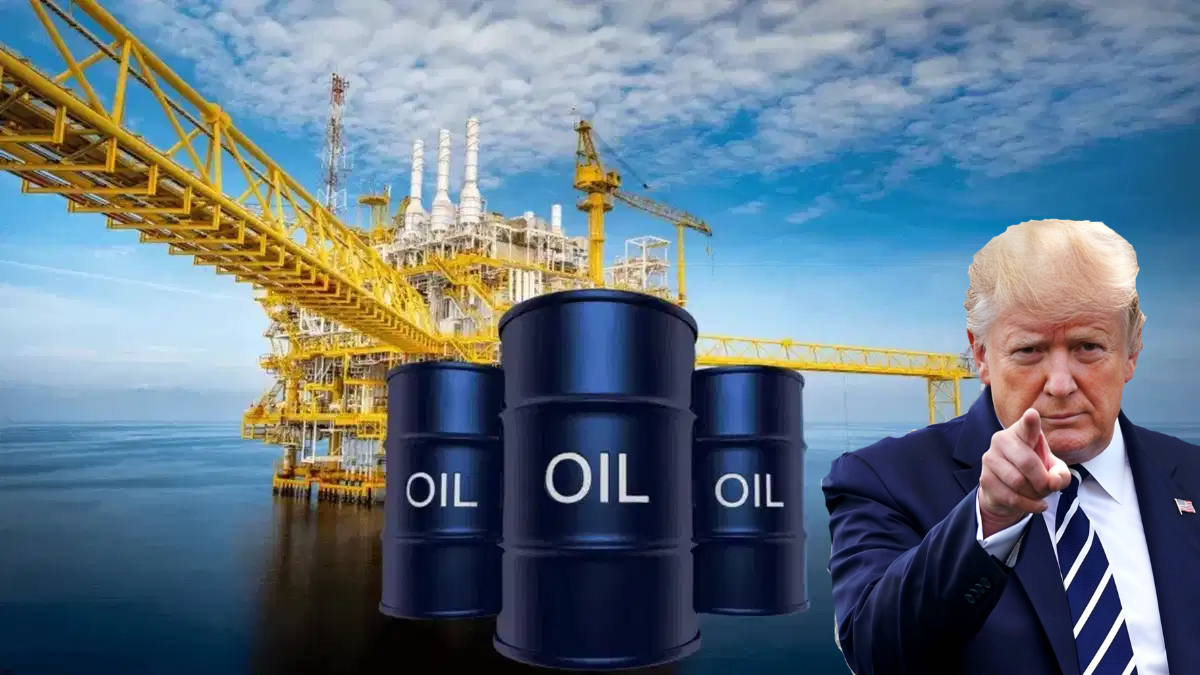
Crude oil is one of the most important commodities in the world. It powers transportation, supports industries, and plays a major role in the global economy. Because of this, changes in crude oil prices affect not just energy companies but also governments, businesses, and everyday consumers.

In this article, we’ll look at what crude oil prices are, why they fluctuate, and how those changes impact the world.
What Is Crude Oil?
Crude oil is a natural fossil fuel found deep underground. It is extracted from oil wells and then refined into useful products such as petrol, diesel, jet fuel, and plastics. Since modern economies rely heavily on these products, crude oil remains one of the most traded resources globally.
Thank you for reading this post, don't forget to subscribe!Because oil is traded internationally, its price is influenced by global demand, supply conditions, and geopolitical factors.
One of the biggest factors affecting crude oil prices is supply. When oil-producing countries increase production, the market gets more supply, which often pushes prices down. On the other hand, if production drops due to political issues, natural disasters, or production cuts, prices usually rise.
Oil-producing countries sometimes coordinate production levels to stabilize or influence the market.
Demand for crude oil depends on economic activity. When economies grow, industries expand and transportation increases, which raises oil demand. This typically pushes prices higher. During economic slowdowns or global crises, demand drops, which can cause prices to fall.
Crude oil is generally traded in US dollars. When the dollar becomes stronger, oil can become more expensive for countries using other currencies, which may reduce demand. When the dollar weakens, oil can become cheaper globally, increasing demand.
Hurricanes, storms, or extreme weather conditions can affect oil production facilities, pipelines, and refineries. When these disruptions happen, oil supply can decrease temporarily, which may push prices upward.
When oil prices increase, fuel costs such as petrol and diesel usually rise. This can increase transportation costs and the price of goods and services. When oil prices fall, fuel becomes cheaper, which can help reduce inflation and lower transportation expenses.
Industries that rely heavily on fuel such as airlines, shipping companies, and logistics firms are strongly affected by oil price changes. Higher oil prices increase operating costs, while lower prices can improve profit margins.
Oil exporting countries often benefit when prices are high because they earn more revenue from exports. On the other hand, oil importing countries may face higher energy costs and economic pressure when prices rise.
The future of crude oil prices depends on several factors including global economic growth, energy policies, and the shift toward renewable energy. As countries invest more in clean energy sources, the long term demand for oil could change.
However, for the foreseeable future, crude oil will likely remain a critical part of the global energy system.
Crude oil prices are influenced by many factors including supply, demand, political events, and economic conditions. Because oil plays such a major role in transportation and industry, changes in its price affect almost every part of the global economy.